Skip to content
Fluent Garden

The practice

Terra + Vasa

Curated threshold plantings — in Earth and vessel — for homes and boutique retreats on the Lower Sunshine Coast.

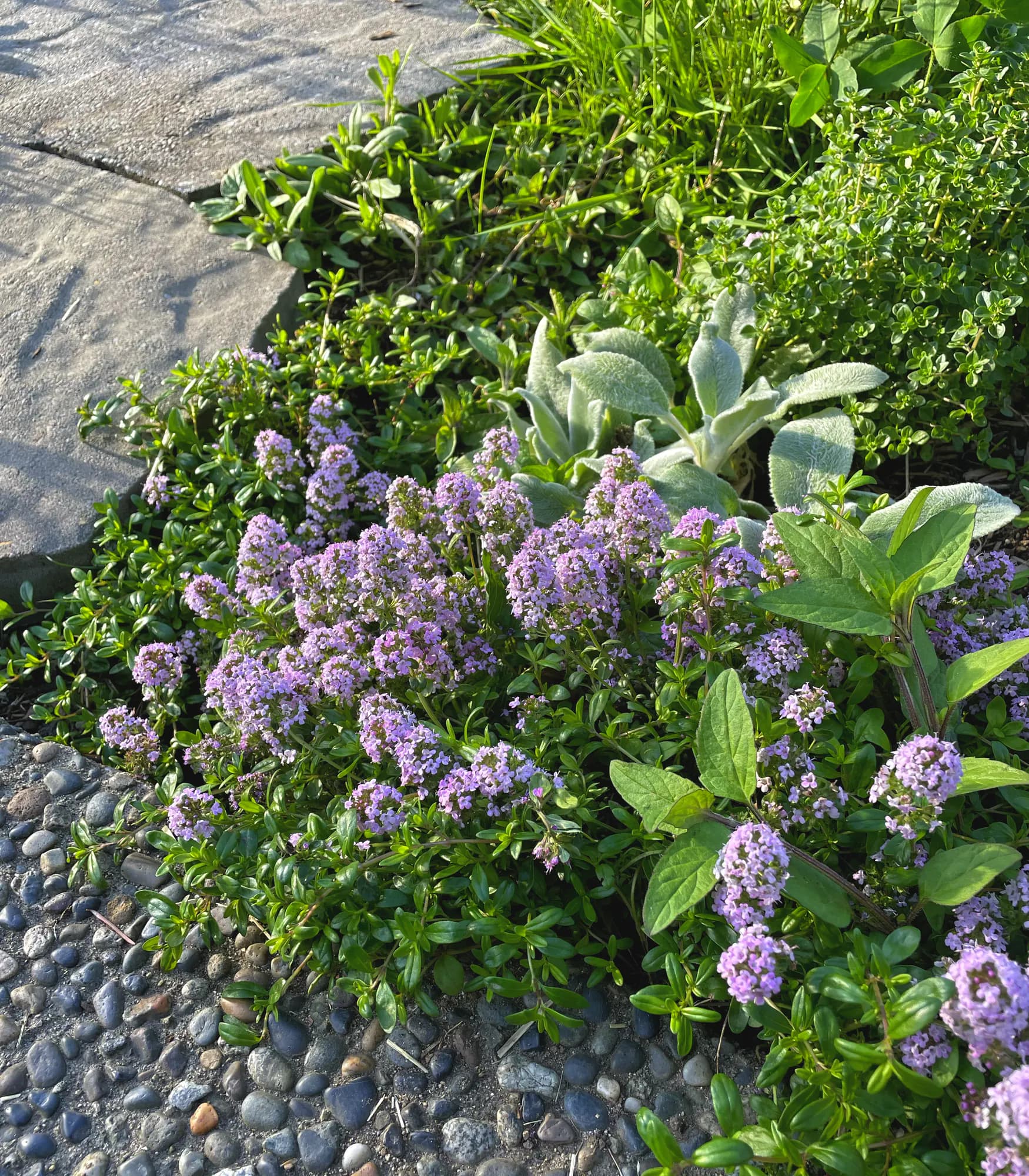
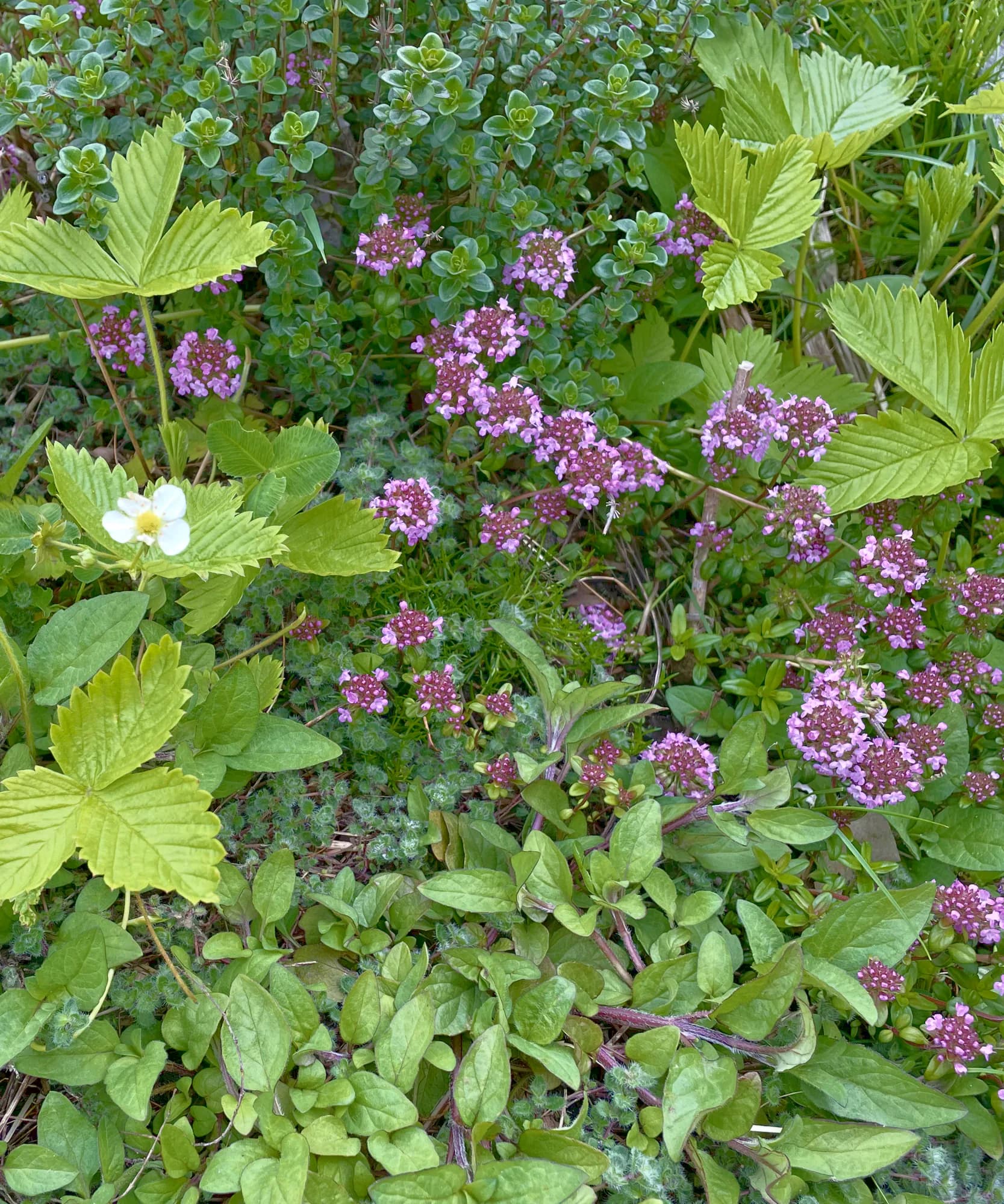
Looking down at a pair of worn leather boots standing on a threshold of creeping thyme in flower, edged with low green groundcover and stone.

Two materials

One offering, done properly.

We read the entrance, then build it from two materials: planted beds where there is open ground to work with, and containers where there isn’t. Most thresholds want both, and getting the balance right is the design.

A bumblebee resting on a bronze fennel flower head, with a soft-focus perennial border behind it.

Terra

Earth

Living ground at the door.

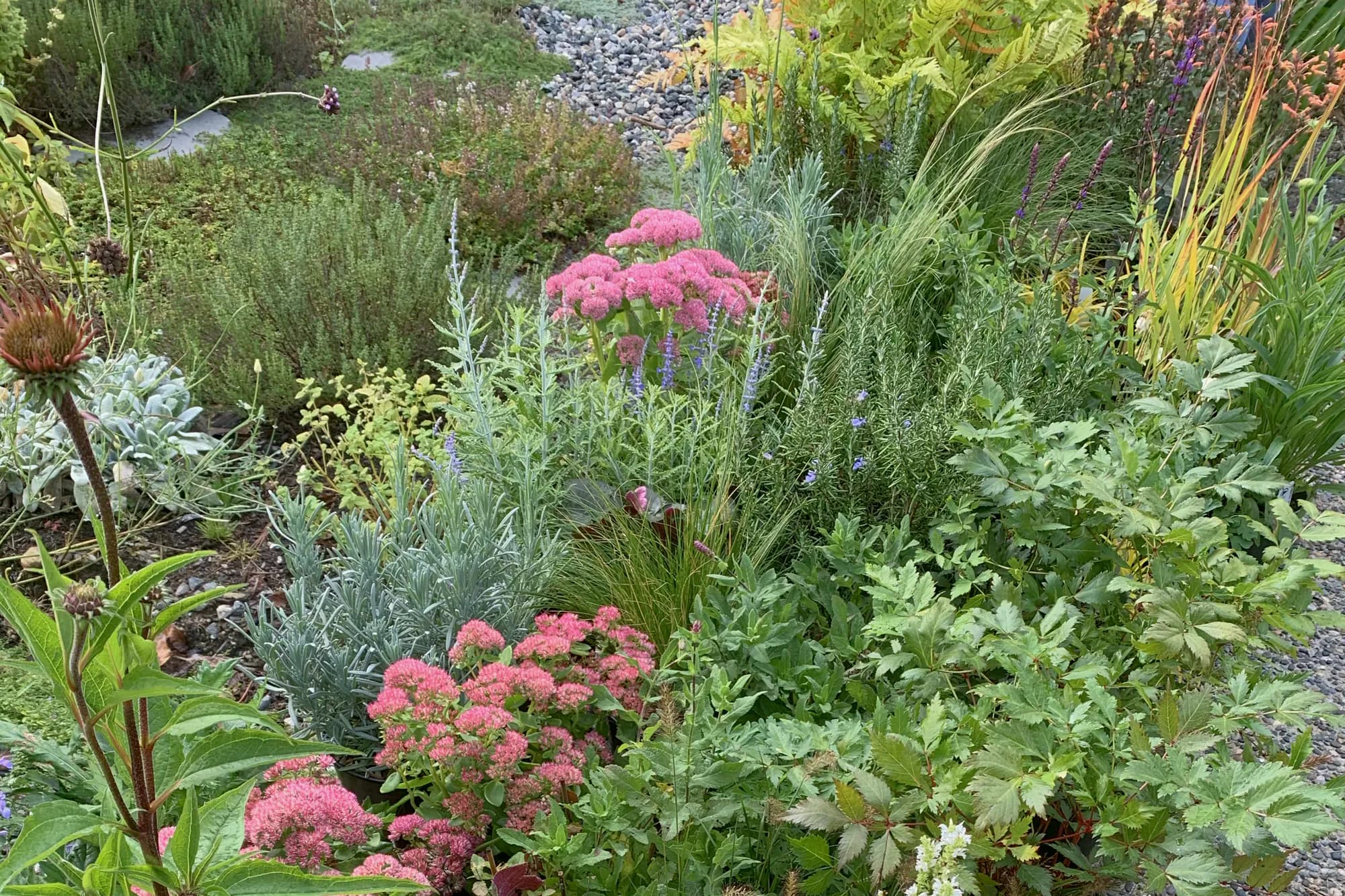
In-ground beds along the arrival path and against the house. Textural, multi-purpose perennials chosen for coastal wind, coastal rain, and the particular light your entrance actually gets — planted for long-season interest rather than one good month.

A tall perennial sunflower in bloom, photographed from below against a clear blue sky.

Vasa

vessels

Structure where the ground won’t give.

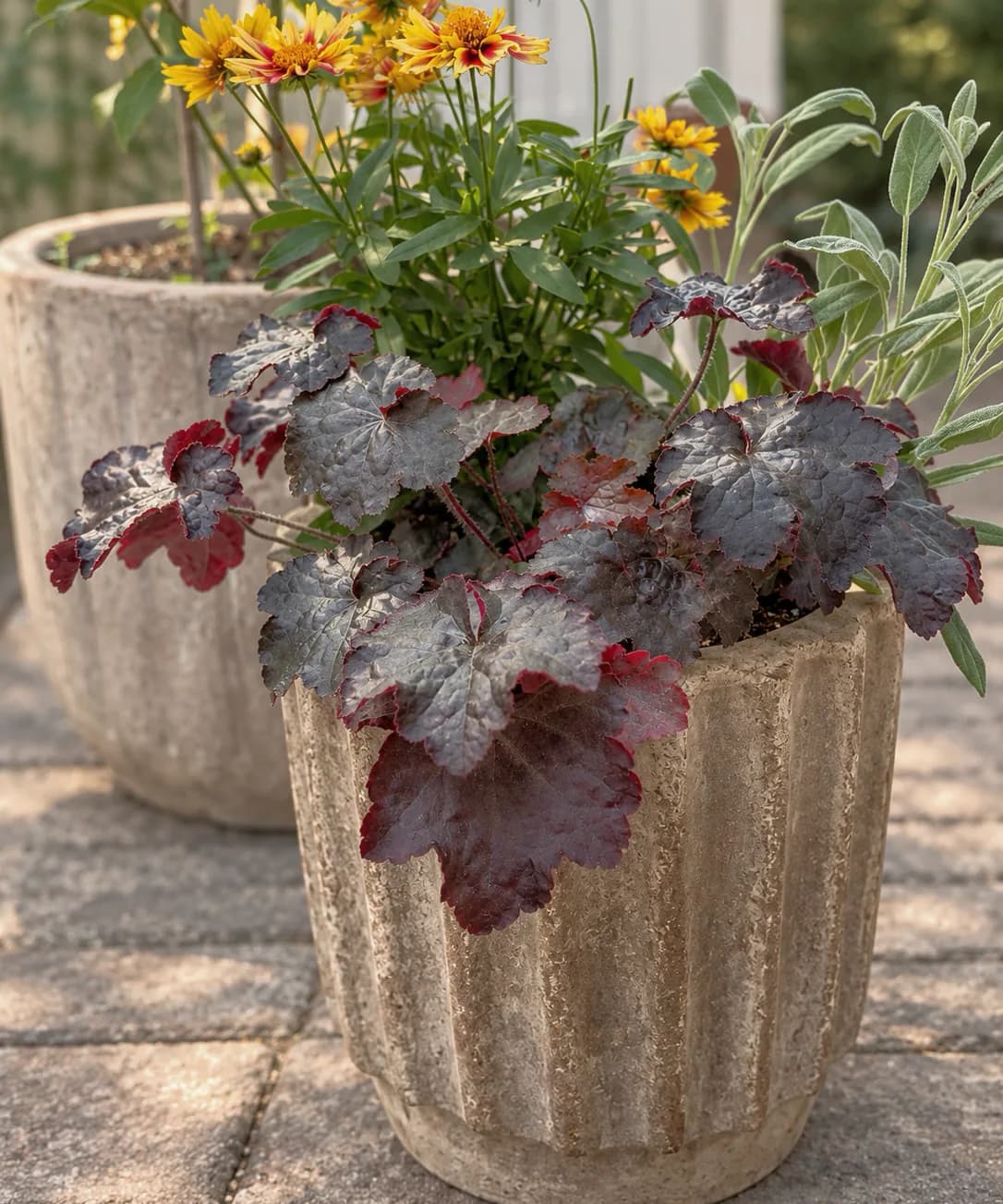
Architectural containers, sourced to suit the building and sited where paving, roots, or drainage rule out a bed. Anchored by hardy, four-season plantings — designed to stand quietly on their own, with the option to schedule seasonal botanical refreshes as the coastal year shifts.

The process

Five steps, and only one of them is yours.

  1. 01

    Inquire

    Tell us about the entrance — where it is, who arrives there, what bothers you about it now. Photographs of the approach help enormously.

  2. 02

    The walk-through

    A paid on-site assessment. We read the light, the drainage, the exposure, and the way people actually move toward the door. This is discovery, not design — the design comes later, once you have decided to go ahead.

    Booked and invoiced on its own, so you’re free to sit with the plan — for a week or for a season — before committing to anything further.

    Fee and what the visit produces

    $195

    flat fee · one visit · CAD

    • Up to an hour on site — measuring, reading the ground, and hearing what you picture for the space
    • An assessment of what the ground needs before anything can be planted into it
    • A short written brief: what the site has, what works against it, and what it can carry
    • A few reference images and planting directions — a taste of where the space could go, not a design
    • A recommended service and scope, and what happens next

    If a bed needs extensive clearing first — established invasives, that sort of thing — we’ll say so and either quote it separately or point you to a local crew better suited to the job.

  3. 03

    Design and sourcing

    A planting plan and a vessel selection made for your exact conditions. You see and approve it before a single plant or pot is bought.

  4. 04

    Installation

    Prepped and planted. Quietly. Nothing dragged out across weeks, nothing left half-finished in front of an arriving guest.

  5. 05

    Seasonal resets

    An optional recurring service, offered only to thresholds we’ve installed. We return as the coastal light shifts — tucking in fresh spring growth, rich autumn textures, or fragrant evergreen structure. Pruned, refreshed, and reset so the entrance looks deliberate in every season, without you ever having to lift a hand.

The walk-through is the one fixed fee. Design, sourcing, and installation are quoted after it, because that is the point at which we know the size of the space, its exposure, and how much work it actually wants. Nothing is purchased before you have that quote in writing.

Boundaries

We keep to the threshold, and we keep it good.

A narrow practice is the point. It’s what lets a single visit be careful rather than fast.

What we tend

  • Doorsteps and landings
  • Guest entryways
  • The immediate arrival path
  • Entry beds & borders at the house
  • Container groupings at the door

What we don’t

  • Full-property landscaping
  • Hedge trimming
  • Lawn care & mowing
  • Irrigation systems

Where we work

Langdale to Sechelt, and not much further.

A short territory means short drives, which means a visit can be unhurried and a reset can happen on the week it’s needed rather than the month.

Questions

The things people ask first.

Can I ask for specific plants?

Yes — tell us what you have in mind and we’ll talk it through. Plants you love, plants you can’t stand, a colour you keep coming back to: all of it is useful.

That said, the best results come from letting the space lead. Light, drainage, exposure, and what already grows nearby narrow the list far more than a style brief does, and this is where the horticulture earns its keep. What greets a guest matters less as a particular colour than as a feeling — that the space is intentional and cared for — and that reads most clearly when the plants are genuinely thriving and sit comfortably in their surroundings.

After the walk-through you’ll get an initial palette, or a themed planting or two, shaped around what you want the arrival to feel like.

What exactly counts as the “threshold”?

The doorstep or landing, the immediate arrival path leading to it, and the beds and containers within sight of someone standing at the door. In practice that’s usually a stretch of ground between about six and thirty feet across.

If you can see it while you’re finding your keys, it’s likely in scope.

Is this a business expense for me?

For hosts and property managers, it generally sits in the same column as cleaning, linens, photography, and listing fees — a cost of presenting the property well, rather than a personal garden purchase.

We invoice accordingly, and we’re glad to itemize the walk-through, the installation, and the reset visits separately if that makes your books tidier. How it’s ultimately claimed is a question for your accountant.

How much maintenance will this need from me?

As little or as much as you want. Our threshold plantings are built from resilient coastal species that hold their composure on their own, but any planting still asks for regular tending and seasonal edits.

For complete peace of mind: put your entrance on our recurring maintenance schedule. We handle the watering, feeding, and pruning. If a plant struggles, we diagnose it, then source and install a replacement during our rounds.

If you’d rather do it yourself: your main job is consistent watering through dry spells while plants establish. From there, book us for seasonal resets to prune, refresh the soil, and edit the composition whenever the space needs a lift.

Can you work alongside the landscaping crew we already have?

Yes, and it’s common. Most clients keep their existing crew for the lawn and the lot while we take the entrance only.

We’ll work out the boundary case by case, property by property, so both sides know exactly where one scope ends and the other begins. A short conversation before the first visit is usually all it takes.

The one thing worth agreeing on early is that the entry beds and containers are ours to tend — particularly where blowers are concerned.

Begin

Tell us about the entrance.

Where it is, who arrives there, and what bothers you about it now. Photographs of the approach help more than anything. We’ll reply with next steps and a time for the walk-through.